Wikimedia Commons · CC
Southwest · UNESCO
Le Morne Brabant
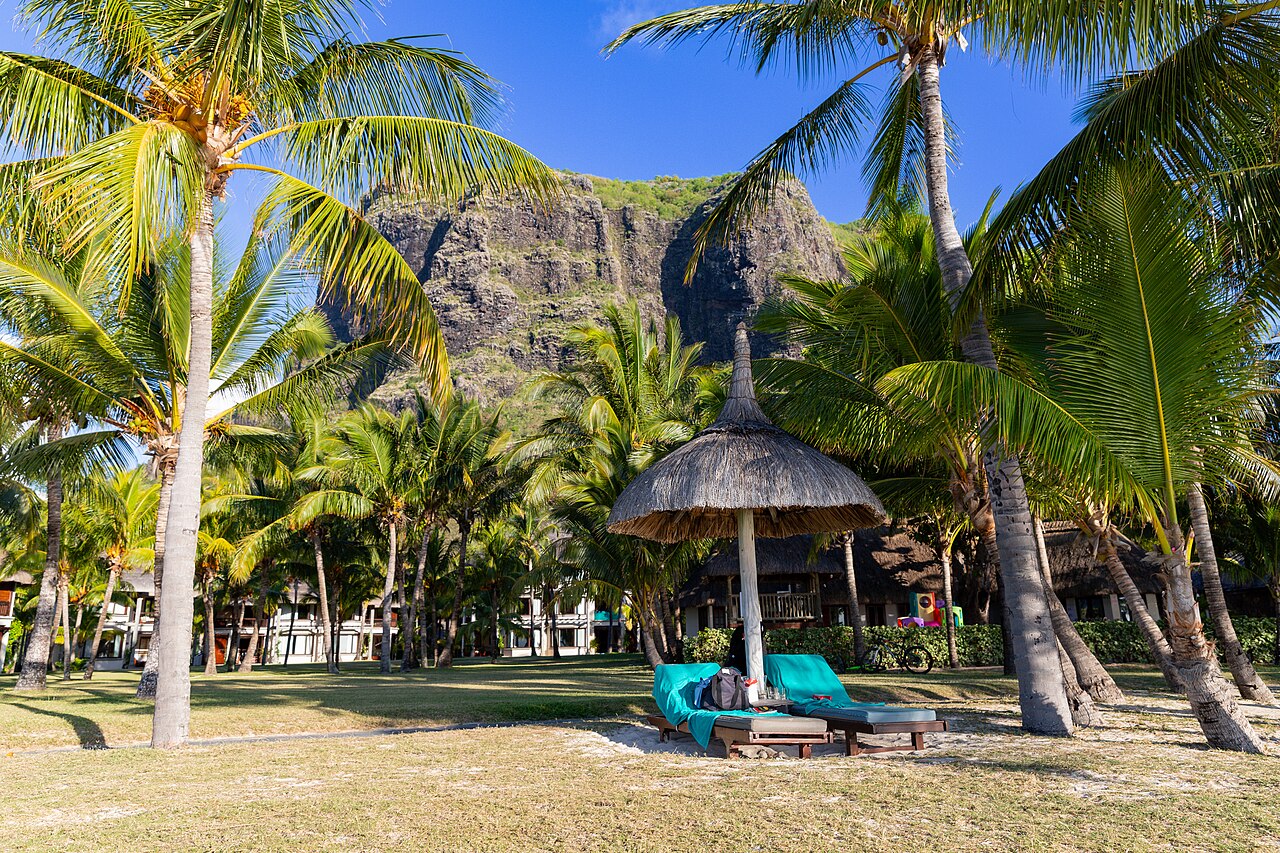
Le Morne juts into the lagoon at the southwestern tip of Mauritius. UNESCO inscribed the Le Morne Cultural Landscape in 2008. Enslaved people who escaped formed settlements in caves and on the summit during the 18th and early 19th centuries. The mountain is a symbol of resistance. It is also a real hike: heat, exposure, and a route that is not a casual stroll. The surrounding peninsula and lagoon sit in a buffer zone. Treat the place as a cultural landscape first, a viewpoint second.
History
Why this place exists
Le Morne Brabant is a basalt monolith and a UNESCO cultural landscape (2008) for maroon history. The oral tradition of a mass leap at the British abolition news is labelled folklore in this app — UNESCO records it as oral heritage, not a dated police file. Stand there anyway. The mountain is the fact.
First visit
To do
- Late light on the peninsula is enough for a first visit.
- If you climb: dawn, water, turn-around time. Not noon.
- Do not stack with Port Louis the same morning.
- Standing far enough back to read the whole silhouette against the lagoon. If you hike, the reason for inscription, not only the summit photo.
- The isolated profile from the peninsula, interpretation related to the maroon landscape, and — if you hike — the change from dry slope to wind at the ridge. From below, notice how the mountain cuts off the southwest.
Tickets
Cheaper here
The silhouette is free. You do not buy a UNESCO ticket. You might hire a guide for the summit — agree the fee before you walk.
Peninsula and public views: no gate. Summit hike is effort and heat, not a souvenir wristband.
Location
On the island
OpenStreetMap, live. Pins are the place, not a sponsored hotel.
-20.4561° S · 57.3203° E
The summit hike is exposed, steep in sections, and dangerous in wet or high-heat conditions. It is not a beach walk. Carry water, start early, turn back if the weather turns, and do not leave the established path. Do not trespass on private land at the foot of the mountain.
The story
UNESCO describes Le Morne as a rugged mountain used as shelter by runaway enslaved people (maroons) through the 18th and early 19th centuries. Isolated cliffs made it a natural fortress. Oral traditions tied to those communities have made the mountain a symbol of the fight for freedom, with relevance to Africa, Madagascar, India and South-east Asia — the regions from which people were enslaved and brought to Isle de France.
What to look for
The isolated profile from the peninsula, interpretation related to the maroon landscape, and — if you hike — the change from dry slope to wind at the ridge. From below, notice how the mountain cuts off the southwest.
Best time to visit
For looking: late afternoon light on the west face, or early morning before tour buses. For hiking: start at dawn, never midday in summer. Avoid the climb in rain or after heavy rain.
How to get there
The southwest is a long transfer from Grand Baie. Do not 'pop over' from the north. Combine with Chamarel and Black River on a west/south-west day. Buses run toward Le Morne / La Gaulette but are slower; a car or planned transfer is more realistic for a hike start.
Cost
Viewing the mountain from public roads is free. Guided hikes and any paid parking or access points have their own fees — verify locally. Do not assume the trail is an official ticketed product.
Time needed
Viewpoint: 20–40 minutes. Guided or self-hike: half a day including heat rest and descent.
Do not miss
Standing far enough back to read the whole silhouette against the lagoon. If you hike, the reason for inscription, not only the summit photo.
Source / references
UNESCO WHC 1259; Le Morne Heritage Trust Fund (lemorneheritage.govmu.org).
Photographing the peak from the peninsula road without reading why it is inscribed. The lagoon is beautiful; the outstanding universal value is cultural, not 'pretty mountain'. Als…
Crowd: moderate