Wikimedia Commons · CC
Port Louis · the fort that never fired
Fort Adelaide (La Citadelle)
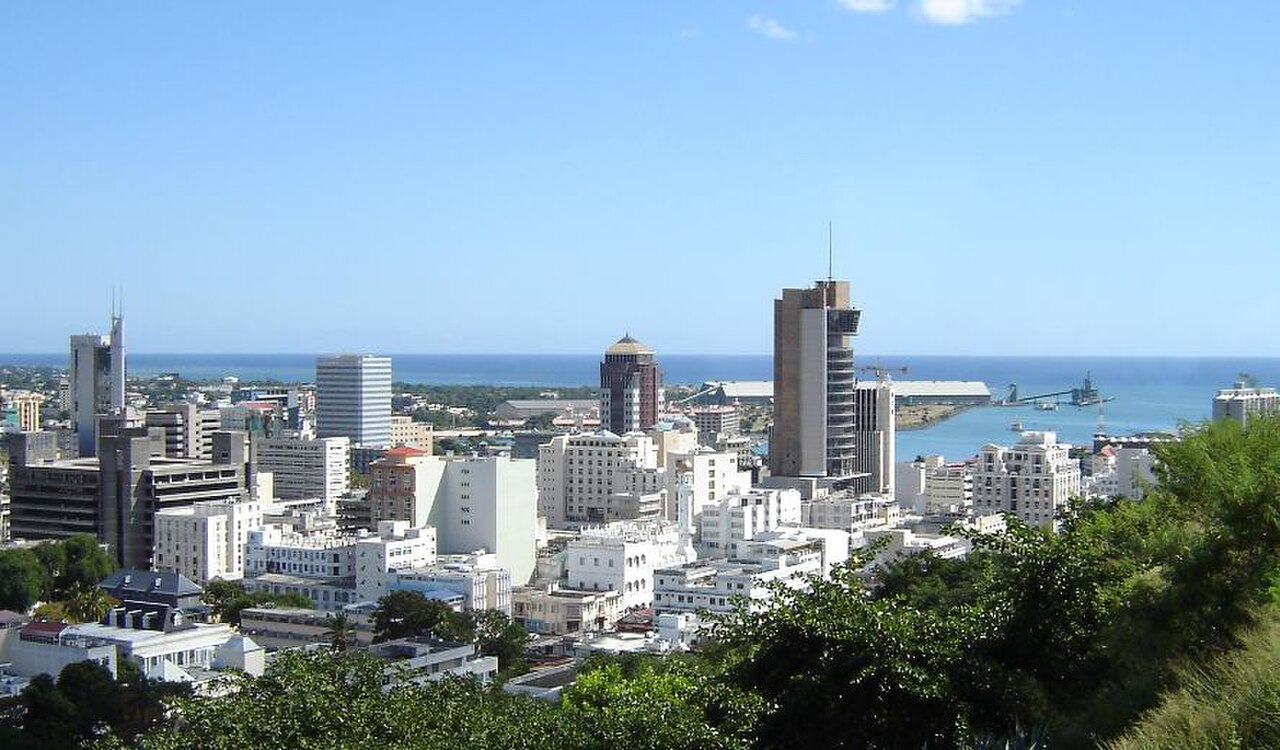
The British built Fort Adelaide between 1834 and 1840 and named it for Queen Adelaide. It was the only one of four planned forts above the capital that was finished. It never saw battle. Motives included harbour defence and watching a restless city after emancipation. Locals say La Citadelle. From the northern bastion you look over Champ de Mars — a racecourse dating to 1812, among the oldest in the southern hemisphere — the harbour cranes, and the mosque-and-market grid. The climb is short and steep. Go for the reading of the city, not for battlements theatre.
History
Why this place exists
The British built Fort Adelaide between 1834 and 1840 and named it for Queen Adelaide. It was the only one of four planned forts above the capital that was finished. It never saw battle. Motives included harbour defence and watching a restless city after emancipation. Locals say La Citadelle. From the northern bastion you look over Champ de Mars — a racecourse dating to 1812, among the oldest in the southern hemisphere — the harbour cranes, and the mosque-and-market grid. The climb is short and steep. Go for the reading of the city, not for battlements theatre.
First visit
To do
- The Champ de Mars alignment. Once you see the oval, the colonial city plan clicks.
- Basalt blockwork, the racecourse oval, harbour, Signal Mountain, and the jumble of minarets, pagodas and offices that is Port Louis.
Tickets
Cheaper here
Hotel desks add a cut. Buy at the official gate or a licensed skipper. Confirm the price the morning you go.
Location
On the island
OpenStreetMap, live. Pins are the place, not a sponsored hotel.
-20.1625° S · 57.5086° E
The story
The fort sits on what was called Petite Montagne. Restoration work in the mid-2000s reopened it as a public site. It could house officers, stores, powder and water. Its military career was uneventful; its civic career as a lookout and occasional event space is what you will actually experience.
What to look for
Basalt blockwork, the racecourse oval, harbour, Signal Mountain, and the jumble of minarets, pagodas and offices that is Port Louis.
Best time to visit
Late afternoon for light on the harbour, or morning before heat. Race days and events change access — check locally.
How to get there
Uphill from the city centre; too steep to treat as an accidental add-on in midday heat without water. Taxi up, walk down is a reasonable split.
Cost
Confirm current site hours and any fee at the gate. Restoration-era opening does not freeze the ticket price.
Time needed
30–60 minutes.
Do not miss
The Champ de Mars alignment. Once you see the oval, the colonial city plan clicks.
Source / references
Standard Mauritian public histories; Champ de Mars (1812) as the oldest racecourse in the southern hemisphere is a widely published claim — treat race-day details as volatile.
Why it was built when it was — the same decade as emancipation and Aapravasi Ghat's 'great experiment'. The view is the product; the date is the story. Also missed: walking down in…
Crowd: moderate